What does it mean for Kolding Harbour and the city?
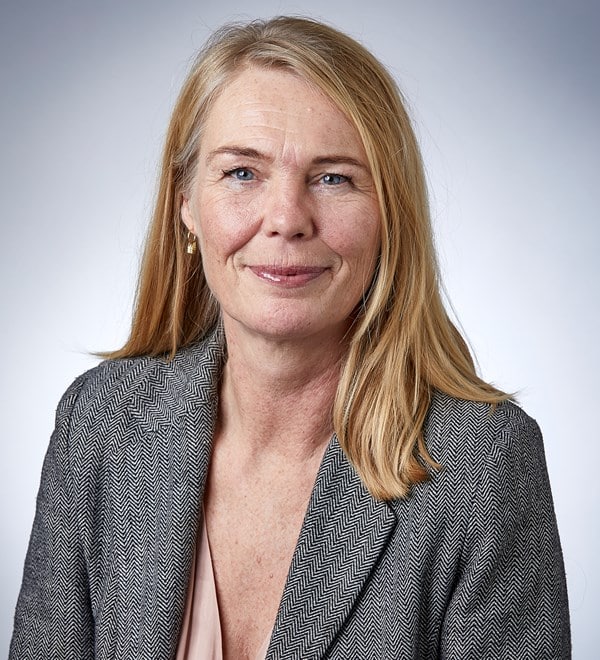
The board of Kolding Port has prepared a new strategy for the city’s commercial port, which was just approved by the City Council yesterday, Tuesday – we asked Birgitte Munk Grunnet, chairwoman of the port board and first deputy mayor of Kolding Municipality, about the significance of this?
“There is no doubt that this is a milestone for our commercial port, but also the good cooperation between the port and the City Council. In my dual role as chairman of the board and first deputy mayor, I never felt like there were two parties in the strategy development process. We had the same goal from both the city and the port, and that was primarily clarification and peace of mind about the future,” Birgitte Munk Grunnet begins.
The new strategy means peace of mind for the commercial port for many years to come, with the strategy agreeing on which areas should be used for port operations and which areas are better suited for urban spaces, e.g. for recreational purposes. The harbor is already seeing initiatives with street food, running, rock on the harbor, art, etc. – so more urban life on the harbor is already a reality as a starting point for further development.
A sustainable port
“We want to develop a sustainable commercial port in Kolding that creates value for the entire area, both for companies and citizens,” Birgitte Munk Grunnet continues, “but we must also be a healthy and solid business-oriented port. We want to make the green transition and development our brand and implement it in our business – and we are happy to partner with you to do so. Yes, it’s a clear signal we want to send to our surroundings and close stakeholders.”
With the new strategy, we see a commercial port that is clear about the future development areas for port operations, but which will also build on coexistence with the city and the surrounding community in general. Gradually, it will become more visible that the city and port are connected with joint activities, for example with initiatives around the inner harbor, where there are already several operators – as seen soon with street food opening in early April on the harbor.
“We get a lot of people asking about the Falck site, which is also owned by the Port of Kolding”, Birgitte Munk Grunnet concludes, “it is also an exciting area, close to the city center, which is expected to become available within a few years. Our strategy for this area suggests that there could be urban spaces of one kind or another – but we have not yet decided on a more specific use.”